
By King Richard Igimoh
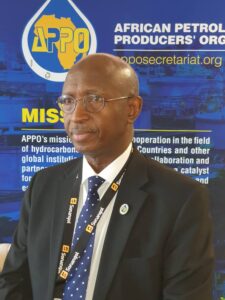
Senegal’s approval of its financial contribution to the African Energy Bank (AEB) may appear to be a routine administrative action, but in reality it comes at a pivotal moment in Africa’s search for financial sovereignty. When African Petroleum Producers’ Organization (APPO) Secretary General Dr Omar Farouk Ibrahim announced in Dakar that Senegal had approved its share—expected to be paid before the end of 2025—it signalled momentum for a project that has lingered too long in the realm of political aspiration rather than concrete action.
The AEB, headquartered in Abuja and jointly established by APPO and Afreximbank, begins with an initial capitalisation of $5 billion and an audacious plan to scale up to $120 billion within five years. The number is aspirational, but the intent is unmistakable: Africa wants an institution capable of financing energy projects on its own terms at a time when global financing norms are becoming increasingly restrictive. The shift is not driven by ideology; it is driven by necessity, as Western banks and multilaterals tighten their lending rules around hydrocarbons.
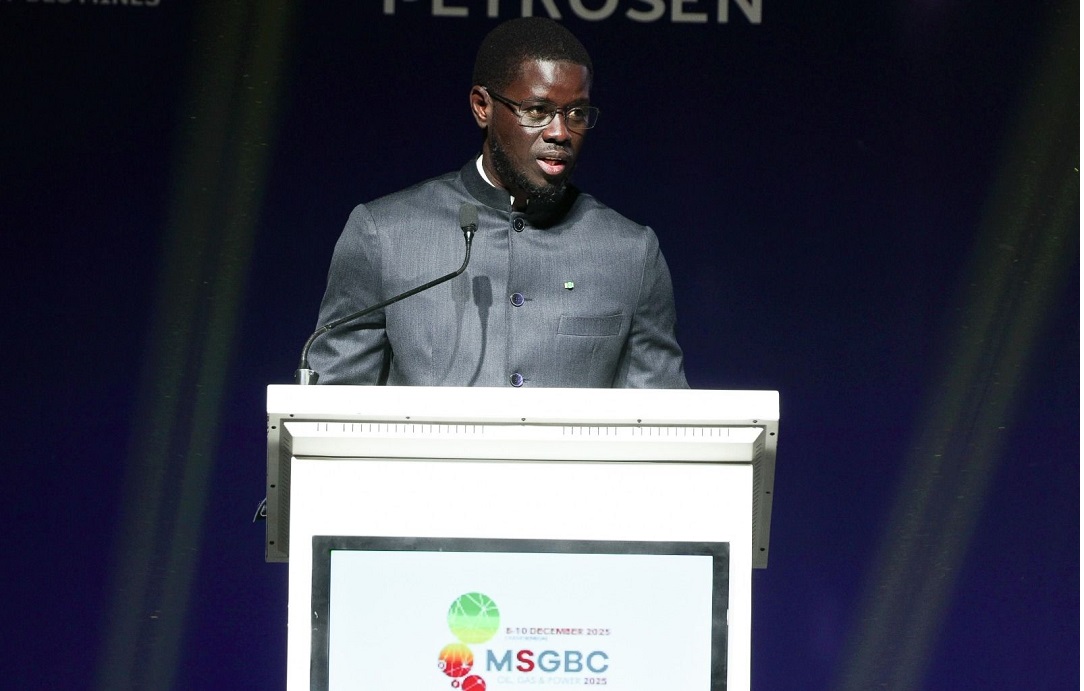
In this context, Senegal’s approval stands out. Though the payment is yet to be made, the political signalling is unmistakable. Senegal is one of the continent’s newest oil and gas producers, with the Sangomar oil field and the Greater Tortue Ahmeyim (GTA) gas hub finally moving from promise to production. By formally committing to contribute to the AEB’s capitalisation, Dakar is aligning itself with an African-led financing structure and signalling a desire to shape the emerging rules of regional investment rather than merely adapt to external financing terms. This marks a distinct departure from Senegal’s traditionally cautious stance in West African energy politics.
Furthermore, the timing aligns with Senegal’s strategic needs. As the country positions itself for new energy revenues, it is attempting to sidestep the vulnerabilities that plagued earlier African hydrocarbon entrants—excessive dependency on external credit, exposure to commodity cycles, and the dominance of foreign-controlled project financing. Approving its capital commitment to the AEB gives Senegal access to a potential future financing channel for midstream and downstream developments, strengthens its voice in continental discussions on energy autonomy, and offers a buffer against erratic global capital markets. It is, in effect, a forward-looking hedge: a recognition that Africa must cultivate its own financial muscle if it intends to monetise its resources sustainably.
This development also aligns with a broader continental movement. From Uganda’s and Tanzania’s insistence on pushing ahead with the East African Crude Oil Pipeline despite external pressure, to Nigeria’s renewed push for domestic gas investment, to Mozambique’s widening pool of LNG partners, African governments are increasingly concluding that they cannot wait for global financing politics to bend in their favour. Instead, they are building parallel institutions—Afreximbank’s expanded facilities, the African Development Bank’s local currency initiatives, the Africa Finance Corporation’s infrastructure push—all aimed at reducing dependence on external lenders whose priorities rarely align with Africa’s industrial needs.
Even so, the AEB’s path will not be simple. Scaling capital commitments across countries facing fiscal strain will be difficult. Balancing the dual mandate of supporting hydrocarbons and renewables will challenge the bank’s governance, especially under political pressure. And competing with established global lenders in sectors like renewable energy and transmission infrastructure will require institutional capacity that has yet to be fully demonstrated. The distance between high-level political declarations and a fully functional financial institution is long, and the African continent has its share of stalled initiatives to show for it.
Nevertheless, Senegal’s move injects real credibility into a project that has for years felt more conceptual than operational. Once commitments from other member states materialise—once payments, not just approvals, begin flowing—the bank will be positioned to take on its first sizable projects. The questions now are straightforward but consequential: Will other countries fulfil their pledges? Will the AEB’s leadership resist political capture? And will the bank move fast enough to matter in a sector undergoing rapid global shifts?
Until those answers emerge, Senegal’s approval should be understood for what it is: a pragmatic, forward-leaning step toward reshaping Africa’s financial future. It does not remake the continent’s energy financing landscape overnight, nor does it solve the structural funding gap. But it represents something increasingly rare in Africa’s energy politics—an assertive move to build institutions that reflect African priorities rather than external expectations.
So far, so good, Senegal’s decision to back the African Energy Bank—payment pending but politically validated—marks a meaningful step toward a future where Africa funds more of its own development, on its own terms, and at its own pace.
About the Author
King Richard Igimoh is the Group editor of the ALO, Publishers of the African Leadership Magazine, African Defence Magazine and the Africa Project Magazine
- Abuja
- AEB
- AEB Capital Commitment Senegal
- AEB Hydrocarbons Renewables Balance
- Afreximbank
- Afreximbank Expanded Facilities
- Africa Energy Financing Sovereignty
- Africa Finance Corporation Infrastructure
- Africa Hydrocarbon Financing Challenges
- African Development Bank Local Currency
- African Energy Bank
- African Energy Bank Abuja Headquarters
- African Petroleum Producers Organization APPO
- ALM
- ALO
- APM
- APPO
- Autonomy Senegal African Energy Bank
- Development
- Dr Omar Farouk Ibrahim
- East African Crude Oil Pipeline EACOP Nigeria Domestic Gas Investment
- energy
- Finance
- Gas
- Governance
- Greater Tortue Ahmeyim GTA Gas
- hydrocarbons
- infrastructure
- Investment
- KingRichardIgimoh
- Mozambique LNG Partners Africa
- MSGBC
- MSGBC Oil Gas Power 2025
- Oil
- Renewables
- Sangomar
- Sangomar Oil Field Senegal
- Senegal
- Senegal Energy Politics Shift
- Senegal Oil Gas Production
- Sovereignty
- Tortue



Related Articles

Cutting-Edge Environmental Conservation Projects and Their Champions
Environmental conservation has entered a decisive era. As climate change accelerates, biodiversity...
Clean Water Access Projects Improving Lives in Underserved Regions
Access to clean and reliable water remains one of Africa’s most pressing...
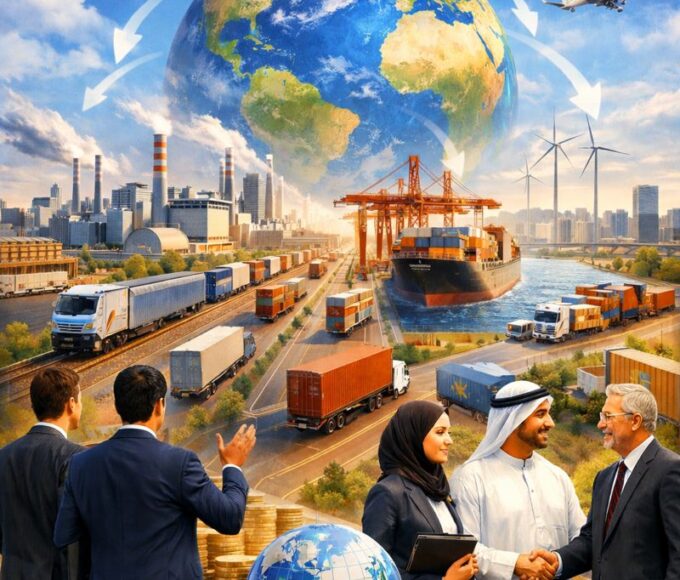
Industrial Corridors Attracting Global Investors
Across Africa, industrial corridors are emerging as strategic economic arteries driving industrialization,...


The Engineers Behind Africa’s Tallest and Most Iconic Towers
Across Africa, the rise of tall and iconic towers is reshaping skylines...
