INSIDE AFRICA’S MOST AMBITIOUS INFRASTRUCTURE DEVELOPMENTS
 africaprojectDecember 3, 20253 Mins read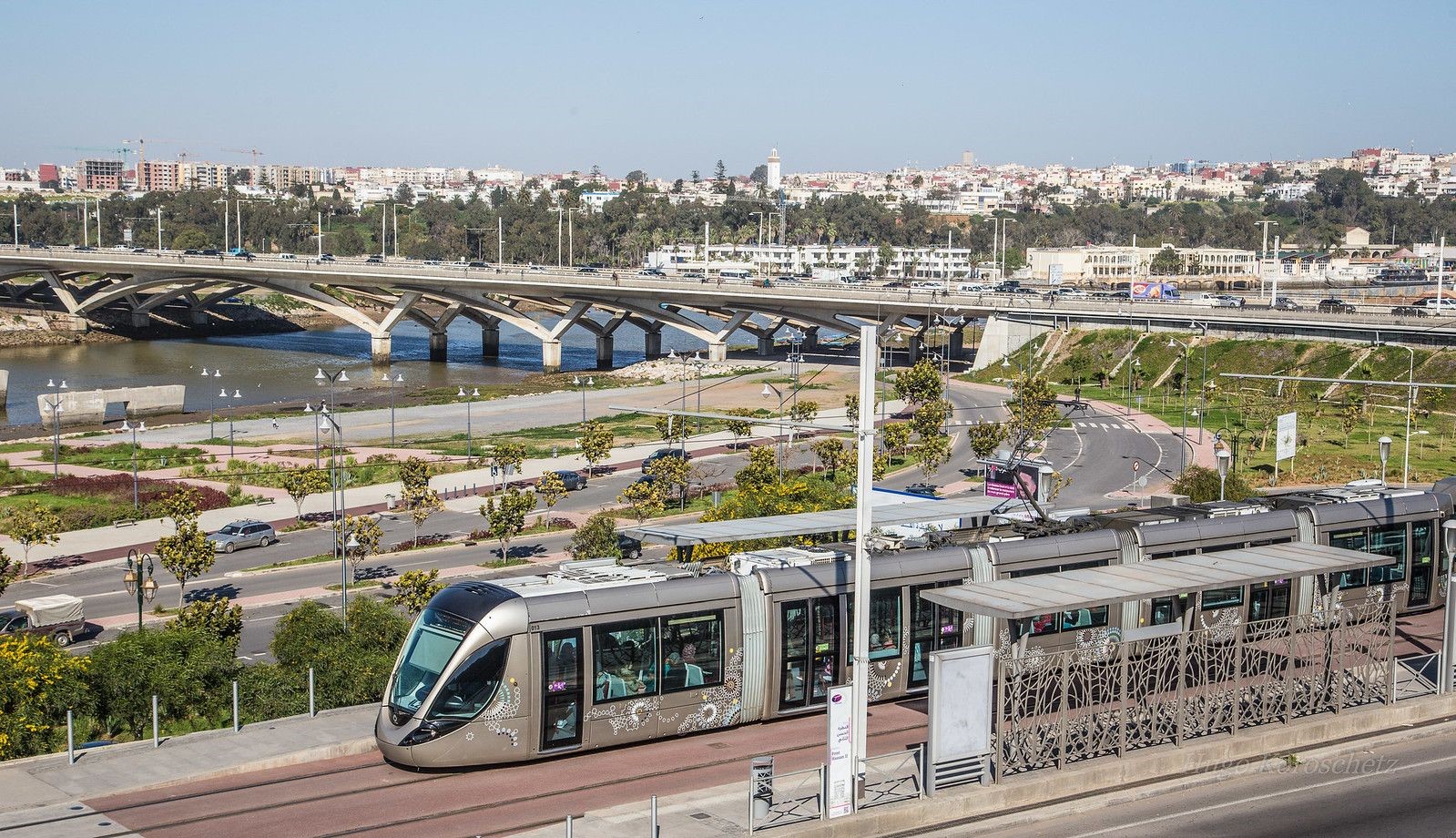
Africa is no longer asking permission to build. From the Atlantic to the Red Sea, cranes tower over new skylines, rail lines carve through deserts, and tunnels bore into mountains that once marked the limits of empires. By 2030, the continent will need an estimated $170 billion a year to keep up with population and economic growth. Instead of waiting for donors, a new generation of African policymakers and financiers is committing tens of billions to projects designed to compress decades of development into a single generation.
At the center of this shift stands Ethiopia’s Grand Ethiopian Renaissance Dam (GERD) now the continent’s largest hydroelectric plant at 5,150 MW. Built over fourteen years at a cost of $5 billion, much of it raised through domestic bonds and salary contributions, the dam reached full commercial operation in February 2025. Its vast reservoir twice the size of Rwanda already provides half of Ethiopia’s electricity and supplies surplus power to Djibouti, Kenya, and Sudan through new 500-kV transmission lines.
Related Article: How China Is Reshaping Africa’s Infrastructure Landscape
South of the dam, Ethiopia’s modernization continues on steel tracks. The Standard Gauge Railway (SGR) from Addis Ababa to Djibouti has become the backbone of East Africa’s fastest-growing economy. The 759-kilometer electrified railway, built by Chinese contractors but now largely operated by Ethiopian and Djiboutian staff, has cut freight travel from three days by road to just twelve hours. In 2025, a parallel fiber-optic cable running along the rail corridor began carrying 60 percent of Ethiopia’s internet traffic, turning the once-dusty trade route into a digital artery.
On the opposite coast, Nigeria is carving a futuristic rail artery through its mangrove belt. The Lagos–Calabar Coastal Railway, expected to be Africa’s longest single railway contract at 1,400 km, is scheduled for completion in 2029. Funded through a $12 billion Chinese loan and Nigeria’s own oil reserves, the line will run at 120 km/h along elevated tracks designed to withstand the floods that routinely cripple the region. The completed Lagos–Ibadan segment already moves 40,000 passengers a day. When fully open, the line will link eight coastal states and connect the historically isolated southeast to modern commerce.
In Morocco, a high-speed revolution is emerging from the Rif Mountains. The extension of the Al Boraq high-speed rail from Casablanca to Marrakesh due in 2028 includes a 3.6-kilometer tunnel beneath Marrakesh and Africa’s first 320 km/h viaduct across the Oum Er-Rbia valley. Travel time between the two cities will shrink from four hours to just ninety minutes. But perhaps most significant is the project’s pedigree: it is entirely Moroccan-engineered, with 40 percent of components manufactured locally, signaling a decisive shift from foreign dependency to homegrown expertise.
Across West Africa, the long-discussed Abidjan–Lagos Corridor is finally materializing. The 1,080-kilometer, six-lane highway spearheaded by ECOWAS and financed largely by the African Development Bank and the EU will eventually link five capital cities and nearly three-quarters of the region’s GDP. Its most complex engineering feat, a series of lagoon-crossing viaducts near Lagos, uses floating precast concrete segments positioned like giant Lego blocks. The first 130-kilometer section between Abidjan and Aboisso opened in 2025, slashing border delays from six hours to thirty minutes and boosting truck traffic by 180 percent overnight.
Meanwhile, Southern Africa is betting on rail to unlock its mineral wealth. The Lobito Corridor, revived through a $4 billion investment by U.S., European, and Emirati partners, has become a strategic alternative to China’s dominance in regional infrastructure finance. Following a $2 billion upgrade, trains began hauling copper from the Democratic Republic of Congo’s Kolwezi mines to Angola’s Atlantic port of Lobito in late 2024. The journey now takes less than 48 hours compared with weeks via Durban or Dar es Salaam. Angolan President João Lourenço calls it “the fastest route from the richest mineral belt in the world to the open ocean.”
What unites these mega-projects is a profound shift in agency. Ethiopia self-financed its crown jewel. Morocco trained thousands of engineers for Al Boraq. Nigeria forced technology transfer from Chinese rail contractors. Even the Lobito deal flipped historical norms, bringing Western investment into African infrastructure on African terms. Challenges remain heavy debt burdens, political uncertainty, environmental disruption, and communities displaced along construction sites. But for the first time in a century, Africa is building infrastructure at the scale of its ambitions and keeping more of the expertise, jobs, and long-term gains within its own borders.




Related Articles
Solar-Powered Industrial Parks: Driving Hybrid Energy Manufacturing Growth in Africa
As Africa faces rising energy demand, climate pressures, and persistent industrialisation gaps,...

Digital Government: E-Governance Infrastructure Modernizing Public Services
Digital government has become a cornerstone of public sector reform as states...
Science & Technology Parks Fueling Continental Innovation
Science and technology parks have become vital engines of innovation, industrial transformation,...


Mining Logistics Infrastructure: Expanding Railways, Ports, and Processing
Mining remains one of Africa’s most critical economic sectors, supplying the world...
