

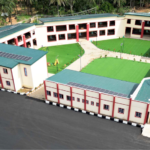



Transforming Justice Delivery: New Court and Administrative Complexes
 africaprojectJanuary 20, 20263 Mins read
Across Africa, the modernization of justice infrastructure is emerging as a central pillar of governance reform. New court and administrative complexes are transforming justice delivery by improving access, efficiency, and public trust in legal institutions. More than just buildings, these facilities represent strategic investments designed to reduce case backlogs, integrate digital systems, strengthen security, and bring judicial services closer to citizens. From national supreme courts to district-level judicial centers, African countries are redefining both the physical and functional foundations of justice administration.
In East Africa, Kenya has made notable progress in expanding and upgrading its judicial infrastructure. New and improved court complexes in counties such as Mombasa, Kisumu, and Eldoret have increased access to justice beyond Nairobi. These facilities include dedicated spaces for mediation, children’s cases, and gender-based violence units—reflecting evolving legal priorities and social needs. Administrative units within the complexes support digital case management systems enabling electronic filing, case tracking, and virtual interactions, which have significantly reduced delays and enhanced transparency.
Related Articles: Women Who Build Nations: Female Engineers And Ministers Driving Africa’s Mega-Projects
Rwanda provides a compelling model of integrated judicial infrastructure supporting institutional efficiency. Modern justice complexes in Kigali consolidate courts, prosecution offices, and administrative departments within secure, well-organized campuses. Co-locating justice sector institutions reduces fragmentation and enables faster, more coordinated decision-making. The adoption of technology-enabled courtrooms, including audio recording systems and digital archiving, has further strengthened procedural efficiency, transparency, and public confidence.
In West Africa, Nigeria’s extensive and diverse legal system has driven substantial investment in modern justice facilities. Several states have constructed new high courts, magistrates’ courts, and multi-service justice complexes that house multiple judicial and administrative functions under one roof. Lagos State, in particular, has spearheaded reforms with modern complexes that incorporate e-filing, video conferencing, and specialized commercial courts to support economic development. These innovations are especially important in a country where judicial delays have historically constrained business confidence and public trust.
Ghana has also advanced justice modernization through the construction of new judicial service complexes and regional courts. By integrating administrative offices, judicial chambers, and public service areas, these facilities have streamlined workflow and reduced congestion in older buildings. In regions such as Ashanti and the Northern belt, new court structures have improved access for rural populations that previously faced long and costly journeys to seek legal redress. These investments reflect Ghana’s broader commitment to strengthening the rule of law as a foundation for social cohesion and economic progress.
In Southern Africa, South Africa continues to refine its justice infrastructure to meet complex and growing legal demands. Upgraded and newly constructed court complexes in cities such as Durban and Pretoria are built to handle specialized matters, including commercial disputes, constitutional questions, and family law. Administrative integration within these complexes has improved coordination between courts, registries, and legal aid services, creating a more efficient and user-friendly justice environment. Emphasis on accessibility—including accommodations for persons with disabilities—reinforces efforts to build a more inclusive justice system.
Botswana, known for strong legal institutions, has likewise invested in modern court complexes that align with its governance standards. These facilities prioritize efficient case flow management, secure detention spaces, and well-equipped courtrooms. Embedded administrative offices ensure that courts receive the logistical and operational support necessary to maintain judicial independence and deliver quality justice.
In North Africa, Egypt’s large-scale judicial infrastructure expansion demonstrates how centralized court and administrative complexes can support legal reform in high-population contexts. New “court cities” and justice complexes integrate multiple court levels, prosecution offices, and public-facing services, helping reduce congestion and improving case processing. Advanced security systems and digital infrastructure are becoming standard features, reflecting the complexity and volume of Egypt’s judicial workload.
Morocco has also invested significantly in modern justice complexes as part of its national judicial reform agenda. These purpose-built facilities emphasize transparency, accessibility, and efficiency. Clear separation of administrative, judicial, and public areas enhances security and reinforces the dignity of court proceedings. This modernization supports Morocco’s broader efforts to strengthen legal certainty, investor confidence, and public engagement with the justice system.
In Central Africa, improvements in justice infrastructure are emerging but vary significantly by country. Cameroon has developed new court buildings and administrative complexes in regional capitals, improving access to justice in previously underserved communities. These investments support decentralization efforts by empowering regional courts and easing pressure on central judicial structures. Despite challenges in capacity and financing, progress signals growing recognition of infrastructure’s role in effective justice delivery.
Across the continent, new court and administrative complexes increasingly incorporate functional innovations such as alternative dispute resolution centers, legal aid units, and public information desks. These additions promote early conflict resolution and expand citizen engagement. Digital integration is also reshaping judicial operations, with electronic records, virtual hearings, and automated scheduling systems becoming more common components of modern African courts.
The transformation of justice delivery through modern infrastructure is redefining the relationship between citizens and the legal system across Africa. By enhancing accessibility, efficiency, and transparency, these investments strengthen the rule of law and contribute to social stability. As African countries continue to modernize their justice institutions, well-designed court and administrative complexes will remain essential to building credible, responsive, and inclusive justice systems for the future.




Related Articles

Solar-Powered Industrial Parks: Driving Hybrid Energy Manufacturing Growth in Africa
As Africa faces rising energy demand, climate pressures, and persistent industrialisation gaps,...

Digital Government: E-Governance Infrastructure Modernizing Public Services
Digital government has become a cornerstone of public sector reform as states...
Science & Technology Parks Fueling Continental Innovation
Science and technology parks have become vital engines of innovation, industrial transformation,...



Mining Logistics Infrastructure: Expanding Railways, Ports, and Processing
Mining remains one of Africa’s most critical economic sectors, supplying the world...
