




Next-Generation Digital Learning Centers Across Africa
 africaprojectJanuary 14, 20263 Mins read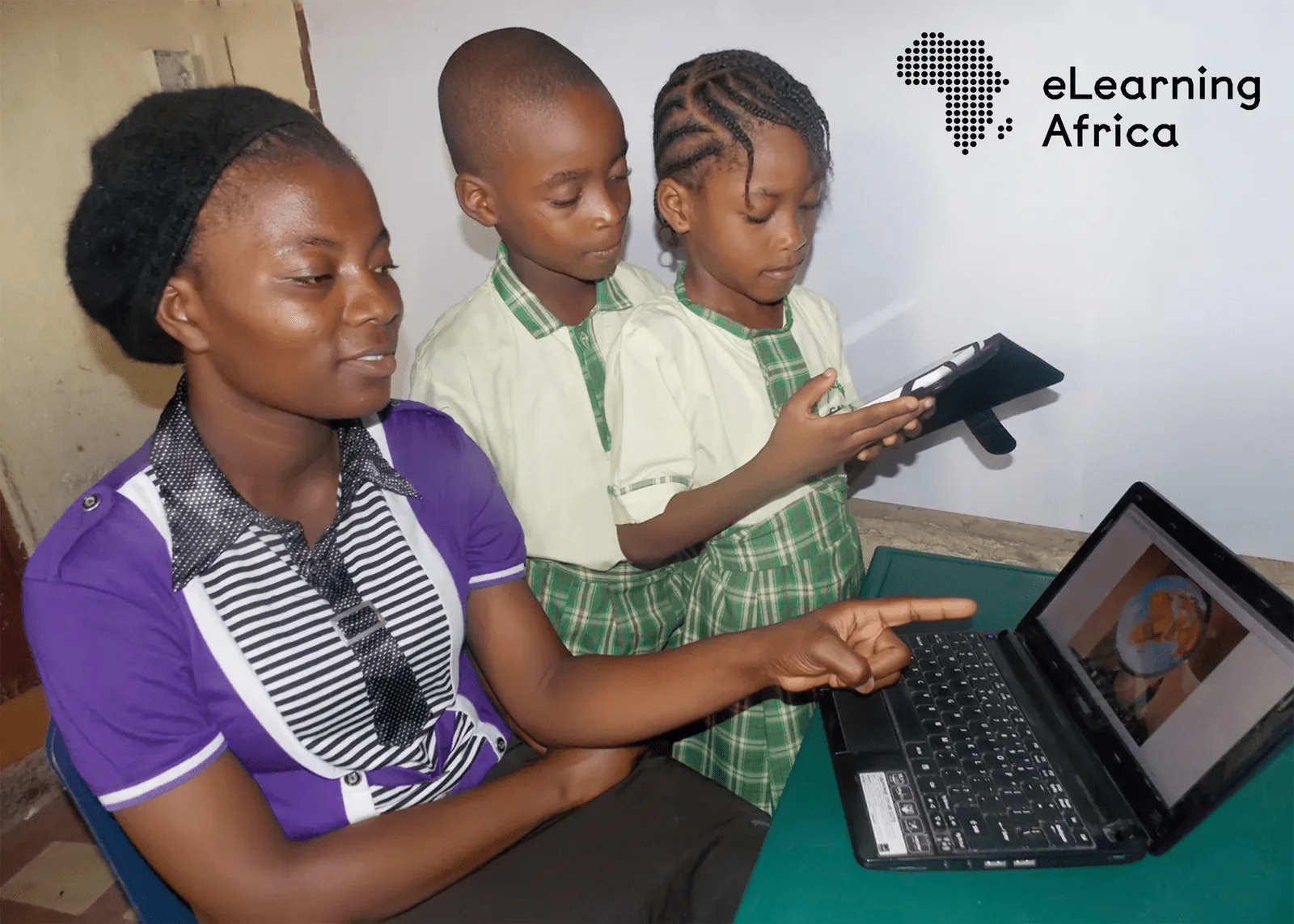
Across Africa, education systems are experiencing a profound transformation driven by the rise of next-generation digital learning centers. These hubs combine high-speed connectivity, modern learning tools, and innovative teaching models to close educational gaps and prepare young people for a digital future. Once concentrated in urban institutions, digital learning facilities are now spreading to underserved communities, reshaping access to skills, knowledge, and opportunity.
In East Africa, Kenya has emerged as a leader in digital education infrastructure. Digital centers in Nairobi, Kisumu, and Eldoret integrate computer labs, virtual classrooms, and online learning platforms linked to national curricula and global certifications. Government initiatives and private-sector partnerships are expanding access to coding, data science, and digital entrepreneurship. In rural counties, solar-powered centers and mobile learning units help overcome connectivity and electricity limitations, ensuring inclusivity beyond major cities.
Related Articles: AFRICA’S DIGITAL LEAP: HIGH-SPEED TELECOM PROJECTS BRIDGE THE CONTINENT
Rwanda’s model emphasizes system-wide digital integration. Learning centers embedded in schools and community spaces are supported by a national broadband backbone, guaranteeing consistent access to digital resources. The country’s strong investment in teacher training ensures technology enhances learning outcomes. These centers support blended learning approaches that strengthen science, technology, and critical thinking skills.
In West Africa, Nigeria’s size and diversity have generated multiple digital learning models. Advanced hubs in Lagos and Abuja offer training in software development, artificial intelligence, and digital design, often through global tech partnerships. State governments and development partners are extending digital centers into secondary schools and vocational institutions. In northern Nigeria, community-based digital hubs provide foundational ICT skills and remote learning opportunities, enhancing inclusion in remote regions.
Ghana continues to grow its network of digital centers across schools and training institutions. Public and private programs have equipped classrooms with computer labs, interactive learning platforms, and online assessments. Technical and vocational centers offer training in digital fabrication, multimedia, and business technology, directly linking digital education to employability and economic growth.
In Southern Africa, South Africa’s digital learning ecosystem benefits from advanced higher education and research infrastructure. Universities and technical colleges host digital labs for online learning, simulations, and research collaboration. At the basic education level, digital centers in township and rural schools help close technology gaps through structured ICT programs, supporting efforts to reduce historical inequalities.
Botswana and Namibia are also using digital centers to support human capital development. Botswana has deployed technology-enabled classrooms and community digital hubs that offer online learning and access to government e-learning services. Namibia prioritizes connectivity for remote communities through satellite links and mobile technologies, demonstrating how smaller economies can adopt scalable, context-specific solutions.
In North Africa, Egypt’s digital learning centers align with national education reform and workforce development strategies. New digital campuses and hubs integrate online content, virtual labs, and industry-linked programs that serve large student populations while improving learning quality. Morocco’s expanded digital infrastructure—especially in technical education and teacher training—strengthens national capacity in science, engineering, and digital skills.
Across Francophone West and Central Africa, countries such as Senegal and Cameroon are expanding digital learning centers to boost youth employment and innovation. Technology hubs and digital classrooms supported by international partners offer training in coding, digital marketing, and entrepreneurship, cultivating local innovation ecosystems and enhancing access to global knowledge.
Despite regional variations, next-generation digital learning centers share key features: reliable connectivity, modern devices, adaptive learning platforms, trained educators, and supportive institutions. Many centers promote inclusivity by accommodating learners with disabilities, supporting girls’ participation, and offering flexible programs for adult learners.
The impact of these centers extends beyond formal schooling. They enable lifelong learning, reskilling, and entrepreneurship, helping individuals adapt to evolving labor markets. During crises—from health emergencies to climate-related disruptions—digital centers provide continuity and resilience in education delivery.
Digital learning centers are redefining educational opportunity across Africa. By combining technology with effective pedagogy and inclusive design, these facilities are building the digital competencies essential for sustainable development. As investments grow and regional collaboration deepens, digital learning centers will play a central role in shaping Africa’s educational future and global competitiveness.




Related Articles

Solar-Powered Industrial Parks: Driving Hybrid Energy Manufacturing Growth in Africa
As Africa faces rising energy demand, climate pressures, and persistent industrialisation gaps,...

Digital Government: E-Governance Infrastructure Modernizing Public Services
Digital government has become a cornerstone of public sector reform as states...
Science & Technology Parks Fueling Continental Innovation
Science and technology parks have become vital engines of innovation, industrial transformation,...



Mining Logistics Infrastructure: Expanding Railways, Ports, and Processing
Mining remains one of Africa’s most critical economic sectors, supplying the world...
