


Off-Grid Energy Expansion: The Leaders Powering Africa’s Future
 africaprojectJanuary 13, 20264 Mins read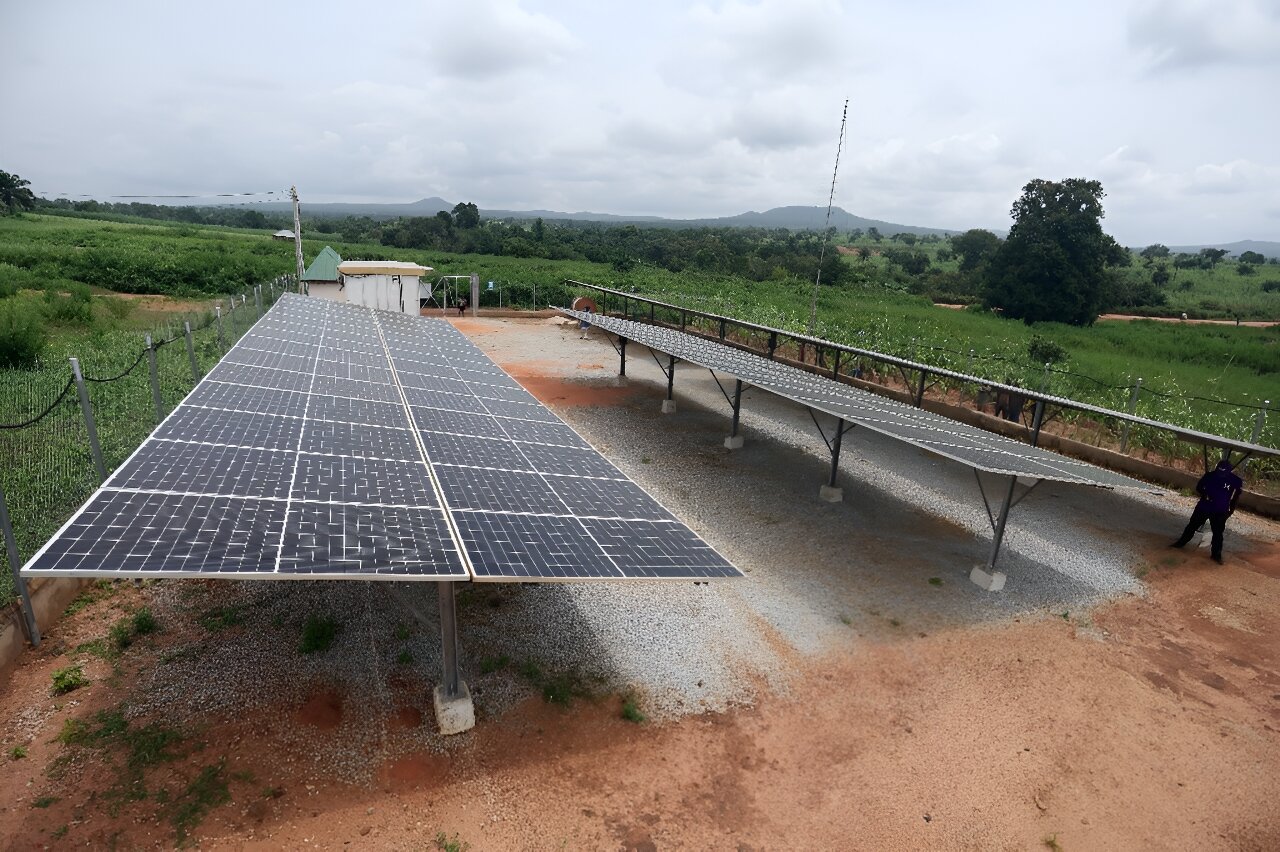
Access to reliable electricity remains one of Africa’s most critical development challenges. Despite steady progress over the past decade, nearly half of the continent’s population still lacks grid-connected power, with rural and peri-urban communities bearing the greatest burden. Conventional centralized grid expansion has often proven costly, slow, and difficult to sustain due to geographic, economic, and climatic constraints.
In response, off-grid energy solutions—including solar home systems, mini-grids, and decentralized renewable technologies—are rapidly scaling across Africa. Far from being temporary fixes, these systems are reshaping local economies, enabling entrepreneurship, improving quality of life, and anchoring sustainable development. This article examines leading African countries driving off-grid energy expansion and the key factors behind their success.
Related Articles: Blockchain for Energy: Can Africa Lead the Charge?
Nigeria: Catalyzing a Distributed Energy Ecosystem
Nigeria, Africa’s most populous nation, illustrates both the scale of the electricity challenge and the promise of decentralized solutions. With millions of households and businesses beyond the reach of the national grid, off-grid energy has become central to the country’s electrification strategy. The National Renewable Energy and Energy Efficiency Policy (NREEEP) explicitly promotes decentralized renewable deployment as a pathway to expanding access.
Nigeria hosts one of Africa’s largest markets for solar home systems, supported by competitively priced products and innovative pay-as-you-go (PAYG) financing models that allow consumers to spread costs over time through mobile payments. Private-sector innovators such as Lumos, Azuri Technologies, and local solar providers collaborate with telecommunications and fintech firms to lower customer acquisition costs and extend distribution networks.
Mini-grid projects in rural states such as Yobe and Kaduna further demonstrate the transformative impact of localized power systems. These installations support productive uses of energy—from agricultural cold storage to small-scale manufacturing—stimulating job creation and local economic growth. While financing constraints persist, blended finance structures and concessional funding from multilateral partners are helping to unlock new investment.
Kenya: A Hub for Mini-Grid and Solar Innovation
In East Africa, Kenya stands out for its progressive regulatory environment and strong private-sector engagement. The government’s commitment to achieving universal electricity access by 2030 has positioned off-grid energy as a strategic pillar rather than a peripheral solution. The Rural Electrification and Renewable Energy Corporation (REREC) works closely with independent power producers to deploy mini-grids that deliver electricity at costs competitive with diesel generation.
Kenya’s globally recognized mobile money ecosystem, spearheaded by platforms such as M-Pesa, underpins the commercial viability of off-grid energy. PAYG models are widely adopted, enabling households and small businesses to access solar home systems without prohibitive upfront expenses. Companies such as Mobisol and BBOXX have deployed thousands of systems nationwide, while community mini-grids power schools, health facilities, and agribusinesses. Kenya’s combination of innovation, regulatory clarity, and public-private collaboration has made it a benchmark for decentralized electrification across the continent.
Ghana: Policy-Driven Growth and Local Capacity Building
Ghana’s off-grid energy progress reflects deliberate policy design and institutional capacity building. The Renewable Energy Act and subsequent regulations provide a clear framework for private investment in distributed generation. Through streamlined licensing regimes and defined technical standards, the Energy Commission has facilitated mini-grid development while ensuring system quality and consumer protection.
Local companies have emerged as credible off-grid developers, often partnering with international investors to scale operations. Solar home systems and mini-grids are particularly impactful in northern Ghana, where grid extension is both costly and logistically challenging. Public initiatives such as the Ghana Energy Development and Access Project (GEDAP), supported by the World Bank, offer subsidies and technical assistance to lower entry barriers for rural electrification providers.
Rwanda: Strategic Implementation and Rural Electrification
Rwanda has embedded off-grid energy expansion firmly within its national development agenda. Pursuing a goal of universal electricity access, the country adopts a hybrid strategy that balances grid extension with off-grid deployment where it is more cost-effective. Institutions such as the Rwanda Energy Group (REG) and the Rwanda Utilities Regulatory Authority (RURA) actively promote private-sector participation in mini-grid development.
Data-driven planning enables Rwanda to target off-grid solutions strategically, focusing on communities where grid connection would be prohibitively expensive. Combined with strong community engagement and capacity-building efforts, this approach has accelerated adoption rates. PAYG solar systems and micro-enterprise power solutions are improving household incomes, educational outcomes, and healthcare delivery in rural areas.
South Africa and Namibia: Advanced Markets with a Renewable Focus
In Southern Africa, South Africa and Namibia demonstrate how off-grid energy can complement established grid systems while enhancing resilience. South Africa’s Renewable Energy Independent Power Producer Procurement Programme (REIPPPP) and supportive distributed generation policies encourage investment in decentralized solar solutions, particularly for farms, mining operations, and remote settlements. Mini-grids integrated with battery storage are increasingly viable alternatives to diesel generators.
Namibia, characterized by vast distances and dispersed populations, has leveraged off-grid solar to accelerate rural electrification. Targeted subsidies and innovative financing mechanisms have improved affordability, while community mini-grids support essential services such as schools, clinics, and local businesses.
Challenges and Future Directions
Despite notable progress, off-grid energy expansion in Africa faces enduring challenges. Limited access to long-term finance, regulatory uncertainty, technical capacity gaps, and grid integration planning remain significant obstacles. Developers require patient capital, predictable tariff structures, and regulatory frameworks that balance consumer protection with commercial sustainability.
Nevertheless, the trajectory is clear. Distributed renewable energy systems are reducing dependence on diesel fuel, lowering carbon emissions, and expanding economic opportunity. As African governments strengthen policy frameworks, deepen public-private partnerships, and mobilize innovative financing, off-grid energy will continue to power homes, enterprises, and social infrastructure—advancing inclusive growth and sustainable development across the continent.





Related Articles

The Architects Designing Africa’s Next Landmark Buildings
The Architects Designing Africa’s Next Landmark Buildings Africa’s urban skyline is undergoing...
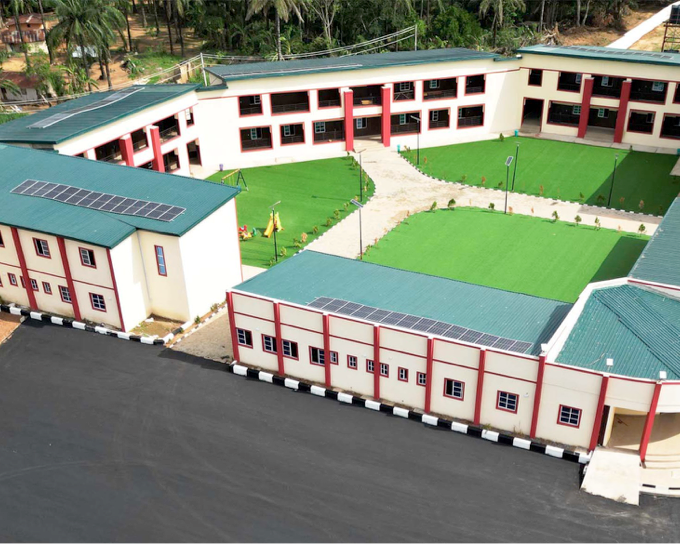
TRANSFORMING EDUCATION: THE NEW UNIVERSITY AND TECHNICAL CAMPUS PROJECTS ACROSS THE CONTINENT
Across Africa’s diverse landscape, a quiet revolution in higher education is taking...

URBAN RENEWAL AND REGENERATION: BUILDING SMART, GREEN CITIES ACROSS AFRICA
Africa is urbanising faster than any region on the planet. By 2040,...



Africa’s New Oil Frontiers: Where Are the Next Big Discoveries?
In the heart of the 2020s, Africa is emerging as a significant...
