
THE LEADERS BEHIND AFRICA’S EXPANDING HEALTHCARE INFRASTRUCTURE
 africaprojectDecember 17, 20253 Mins read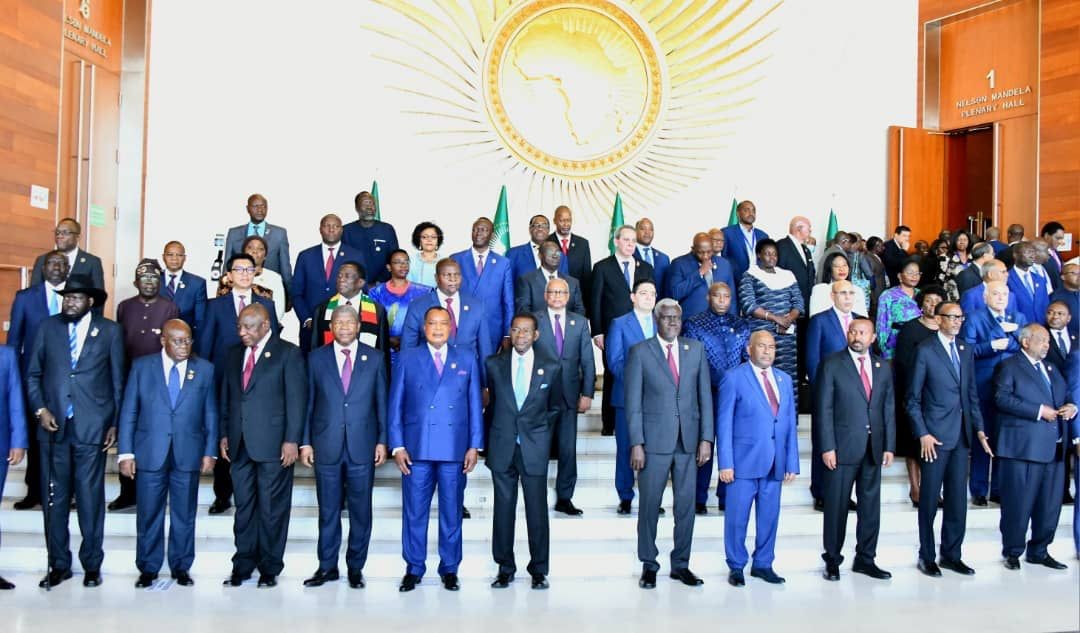
Across Africa, a quiet construction boom is transforming the continent’s health landscape. From ultramodern referral hospitals in Kigali to solar-powered clinics in rural Zambia, more than 1,200 major health facilities are either under construction or recently completed. Behind these glass-and-concrete markers of progress stands a diverse coalition of leaders: presidents brokering billion-dollar partnerships, billionaire industrialists funding entire hospital wings, home-grown entrepreneurs scaling low-cost clinic networks, and young architects redefining what healing spaces can be. As the African Union pursues universal health coverage by 2030, these individuals are converting political vision, private capital, and local expertise into tangible infrastructure.
Rwanda’s President Paul Kagame has become one of the continent’s most hands-on health-infrastructure champions. In October 2025, he inaugurated the first phase of the $300 million Kigali International Medical City, a 300-bed tertiary facility designed to curb outbound medical tourism for complex procedures. Since 2022, his administration has also overseen the creation of 328 new health posts and four district hospitals, with Kagame known for making unannounced dawn inspections of construction sites. “We lost too many mothers and children because the nearest ventilator was in Nairobi or Johannesburg,” he said at the launch. “That era is over.”
Related Articles: INSIDE AFRICA’S MOST AMBITIOUS INFRASTRUCTURE DEVELOPMENTS
In Nigeria, two of the country’s most influential businessmen are racing to fill the void left by decades of underinvestment. Aliko Dangote is backing the 900-bed Aliko Dangote Specialist Hospital in Kano set to become West Africa’s largest private tertiary facility when completed in 2026. Meanwhile, Tony Elumelu’s Heirs Holdings is spearheading the $150 million reconstruction of Lagos University Teaching Hospital and quietly upgrading 42 primary-care centers across Edo State through the Tony Elumelu Foundation Health Corridor. Both leaders insist their investments are nation-building rather than philanthropy. “Healthy workers build factories,” Dangote remarked in a 2025 CNBC Africa interview.
East Africa’s most dynamic healthcare entrepreneur is Peter Nduati, a 39-year-old Kenyan pharmacist and CEO of the African arm of Maryland Global Initiatives Corporation and the rapidly expanding Equity Afia clinic chain. In just six years, Equity Afia has launched 112 affordable outpatient centers across Kenya and Uganda, often located in shopping malls and market hubs. The model is simple: franchise to local doctors, standardize care protocols, and keep consultation fees under $5. The network now records 2.8 million patient visits annually and is negotiating a $120 million facility with the African Development Bank to scale to 500 clinics by 2030. “We proved you can make profit while serving the base of the pyramid,” Nduati told Forbes Africa.
Further south, Ghana’s President Nana Akufo-Addo has turned the Agenda 111 initiative into the hallmark of his administration. Launched in 2021, the plan to build 111 district hospitals simultaneously sounded overly ambitious. Yet by November 2025, 89 facilities were complete and operational, with the remainder expected in early 2026. Akufo-Addo frequently shares drone footage of construction progress on social media, captioned with his signature refrain: “Health is wealth.” The initiative has created 34,000 direct jobs and pushed Ghanaian construction firms to adopt prefabricated hospital-building techniques now being exported to Sierra Leone and Liberia.
In the philanthropic arena, Mo Ibrahim and Strive Masiyiwa have formed a formidable partnership. The Sudanese-British governance advocate and the Zimbabwean telecoms pioneer jointly pledged $500 million in 2024 to establish the Africa Health Infrastructure Fund, supporting “last-mile” hospitals in underserved regions. Their flagship project the 400-bed Masiyiwa-Ibrahim Regional Cancer Centre in Harare broke ground in September 2025 and will be Zimbabwe’s first comprehensive oncology facility.
A new generation of African architects is also shaping the continent’s healthcare renaissance. Ghanaian-British designer Joe Addo and Burkina Faso’s Diébédo Francis Kéré, the 2022 Pritzker Prize laureate, have collaborated on climate-responsive hospitals across the Sahel. Using natural ventilation, shaded courtyards, and locally sourced laterite bricks, their facilities stay cool without costly air-conditioning. Their 200-bed Ouagadougou Women and Children’s Hospital, completed in 2024, consumes 70% less electricity than conventional designs and has inspired 14 similar projects in Mali, Niger, and Chad.
As 2025 draws to a close, these leaders share a common conviction: bricks and beds are only the beginning. Rwanda’s Health Minister Dr. Sabin Nsanzimana now speaks of “Phase Two” equipping new facilities with African-trained specialists. Dangote and Elumelu are co-funding medical residency programs. Peter Nduati envisions an eventual IPO that could make Equity Afia Africa’s first healthcare unicorn. For the first time in decades, Africa’s health-infrastructure surge is powered not by external aid but by African ambition, African capital, and African impatience.




Related Articles
Solar-Powered Industrial Parks: Driving Hybrid Energy Manufacturing Growth in Africa
As Africa faces rising energy demand, climate pressures, and persistent industrialisation gaps,...

Digital Government: E-Governance Infrastructure Modernizing Public Services
Digital government has become a cornerstone of public sector reform as states...
Science & Technology Parks Fueling Continental Innovation
Science and technology parks have become vital engines of innovation, industrial transformation,...



Mining Logistics Infrastructure: Expanding Railways, Ports, and Processing
Mining remains one of Africa’s most critical economic sectors, supplying the world...
