



AFRICA’S NEW HOUSING MEGAPROJECTS AND THE VISIONARIES DELIVERING THEM
 africaprojectDecember 12, 20253 Mins read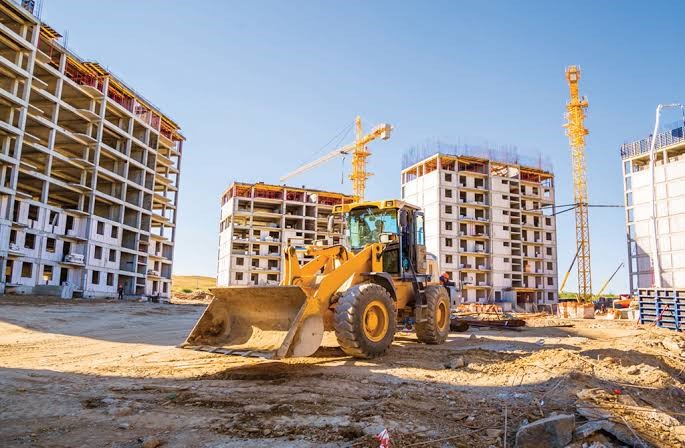
As Africa’s population moves toward 2.5 billion by 2050, the continent faces a housing deficit topping 50 million units. Rapid urbanization continues to swell cities like Lagos and Nairobi, where informal settlements expand faster than infrastructure. In response, a new era of mega projects has emerged ambitious, master-planned developments combining housing, green spaces, and economic hubs designed to host millions while driving long-term growth. From reclaimed coastlines in Nigeria to tech-focused enclaves in Kenya, these projects represent far more than construction; they are blueprints for a modern, inclusive Africa, backed by developers betting heavily on sustainable urban futures.
Leading this wave is Stephen Jennings, the New Zealand–born founder and CEO of Rendeavour, Africa’s largest new-city builder. With more than 30,000 acres under development across five countries, Jennings leverages decades of global finance experience to reshape how African cities grow. “Africa’s urbanization isn’t a crisis; it’s an opportunity to build cities that work for people,” he said in a recent keynote, highlighting the importance of integrated ecosystems where homes, industry, and leisure coexist. In 2025 alone, Rendeavour attracted over $500 million in new investment, showing how private-sector leadership is helping to bridge gaps left by slow government planning.
Related Article: The Project Tracker: What’s New, Delayed, and Accelerated in Africa’s Pipeline
In Kenya, Tatu City illustrates this approach. The 5,000-acre special economic zone, located 19 kilometers north of Nairobi, already hosts about 5,000 residents and 15,000 workers, with a long-term goal of reaching 250,000 people. After its 2008 launch, construction accelerated in 2025 with KES 65 billion (about $500 million) for new phases, including 60 acres of affordable homes, retail plazas, and community services. Privately run utilities, schools such as Nova Pioneer, and tenants like Heineken and CCI Global have strengthened its appeal. Recent additions like Jabali Towers a 16-story mixed-use complex signal Tatu’s shift toward more inclusive living, though critics argue that entry-level units priced at roughly $45,500 remain out of reach for many who earn less than $2,000 a year.
In Ghana, Rendeavour’s Appolonia City replicates this new-town formula on a 2,325-acre site east of Accra. Backed by a $250 million investment, it aims to ease the capital’s congestion by creating a self-contained community for around 50,000 residents. Mixed-income housing, workspaces, retail districts, and parks are connected to Accra by planned high-speed transit links. By late 2025, Phase One neighborhoods were already populated, attracting young professionals seeking relief from Accra’s flooding and gridlock. Plans for renewable-energy integration by 2030 reflect the project’s commitment to long-term sustainability.
Nigeria’s Eko Atlantic City offers a different kind of vision—one defined by coastal engineering and climate resilience. Built on reclaimed land from the Atlantic Ocean, the $6 billion development protects Lagos from rising sea levels while creating a modern district for roughly 250,000 residents. Spearheaded by the Chagoury Group since 2009, Eko Atlantic saw a residential surge in 2025, including dozens of high-end homes and sea-view apartments. Anchored by the 8.5-kilometer Great Wall of Lagos, the city now hosts major institutions such as the MTN headquarters and a new U.S. Consulate. Its mix of upscale housing and flood-resistant infrastructure serves as a potential model for vulnerable coastal cities across Africa.
Further west, Ghana’s Petronia City showcases the entrepreneurial drive of developer Nana Kwame Bediako. In partnership with British developer Azad Cola, Bediako’s team is building a 2,000-acre mixed-use city near Takoradi to support the region’s oil-and-gas economy. With 10,000 planned housing units across three phases and partial delivery expected in 2026, Petronia blends industrial zones with residential areas to fill infrastructure gaps that emerged after the region’s 2007 oil discoveries.
Kenya’s government-led Konza Technopolis nicknamed “Silicon Savannah” adds a public-sector dimension to Africa’s urban reinvention. Located 64 kilometers from Nairobi, the 5,000-acre smart city is 80% complete in its first phase as of mid-2025. With goals of housing 200,000 people and creating 100,000 tech jobs by 2030, Konza combines affordable housing clusters with fiber-optic networks, solar plants, and innovation hubs.
Still, challenges linger. Affordability gaps remain pronounced, with many new units priced beyond the reach of average urban earners. Projects like Eko Atlantic cater mainly to elite buyers, raising concerns about deepening inequality. Environmental critics caution against the ecological impacts of land reclamation and resource-intensive construction, particularly in fragile coastal and arid zones.
Ultimately, Africa’s urban megaprojects signal a shift from reactive planning to proactive city-building. Developers like Jennings and Bediako are not merely constructing homes; they are shaping resilient, future-ready communities. As new districts rise across Accra, Lagos, Nairobi, and beyond, the continent moves closer to a horizon where its skylines reflect ambition, innovation, and a commitment to inclusive progress.





Related Articles

Cutting-Edge Environmental Conservation Projects and Their Champions
Environmental conservation has entered a decisive era. As climate change accelerates, biodiversity...
Clean Water Access Projects Improving Lives in Underserved Regions
Access to clean and reliable water remains one of Africa’s most pressing...

Industrial Corridors Attracting Global Investors
Across Africa, industrial corridors are emerging as strategic economic arteries driving industrialization,...


The Engineers Behind Africa’s Tallest and Most Iconic Towers
Across Africa, the rise of tall and iconic towers is reshaping skylines...
